Buying stock
Buying jewellery and watches: what to record before stock goes on sale
Did the spare links come with it? Has the service been agreed? The best time to answer these questions is while the piece and its seller are still at the counter.

A watch bought on Saturday might be photographed by someone else on Monday. If the accessories are in a drawer and the agreed work is in the buyer’s head, that colleague has to stop and ask. Meanwhile, the watch is paid for but still waiting to go on sale.
Give every purchase a before it leaves the counter. Start with the seller or supplier, the purchase date and the price agreed. Keep the paperwork with it. Use an item reference that follows the piece through preparation, photography and sale.
Write down what came with it
“Box and papers” leaves room for questions. Which box? Which documents? Does the serial match? Record the detail your colleague will need when a customer asks, especially where it affects how the piece can be described or priced.
- The piece: model, reference, identifying marks and the condition you have checked.
- The extras: box, paperwork, spare links, receipts or other accessories received with it.
- The unknowns: anything needing inspection or confirmation. Leave a clear question for the person checking it.
A photograph can help show a scratch or the accessories supplied. It will not explain that you agreed to replace a clasp. Put that agreement in words and give someone responsibility for the next step.
See it in Stockbox
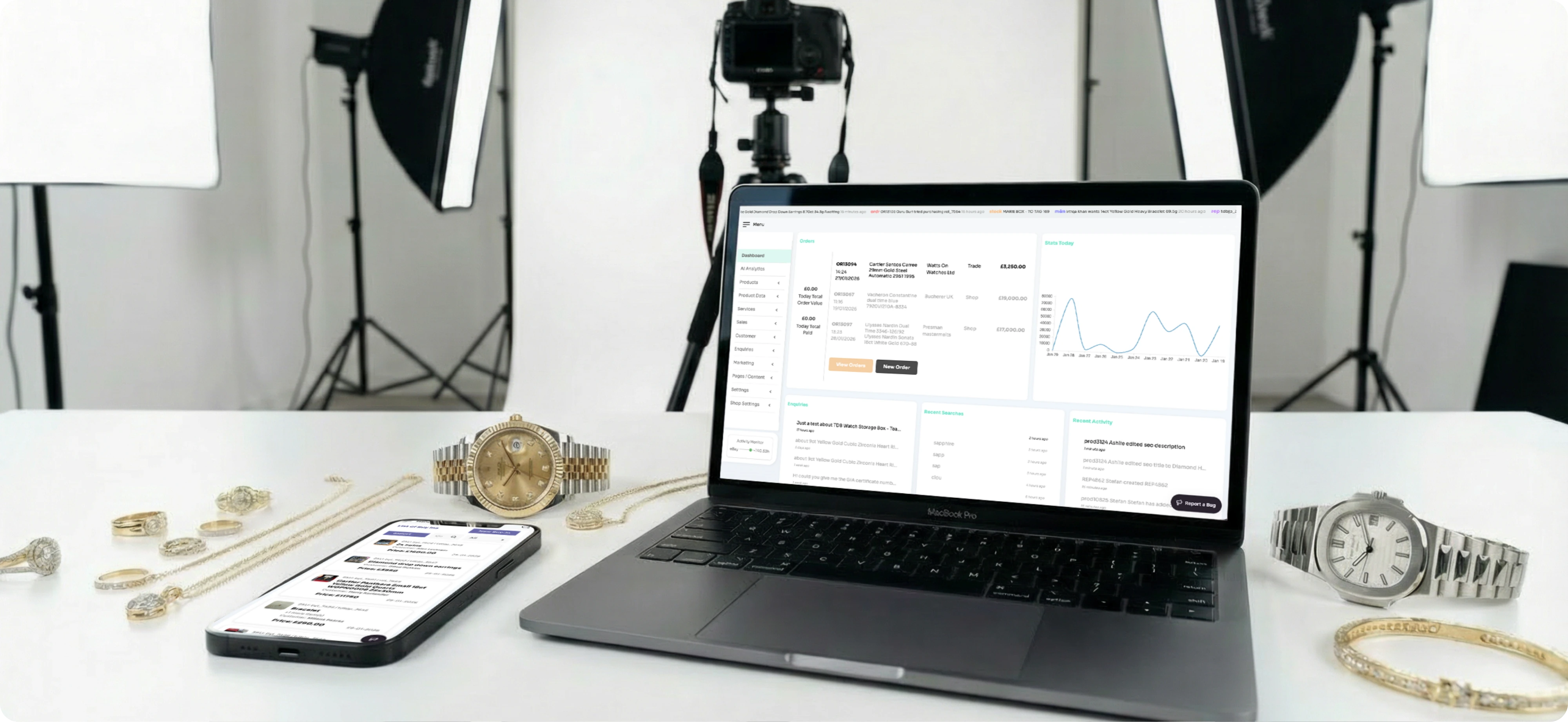
The Adding New Stock walkthrough moves from a purchase to a product listing. Look at the details carried into the stock record and where the information for the listing is added.
Allow for the work still to do
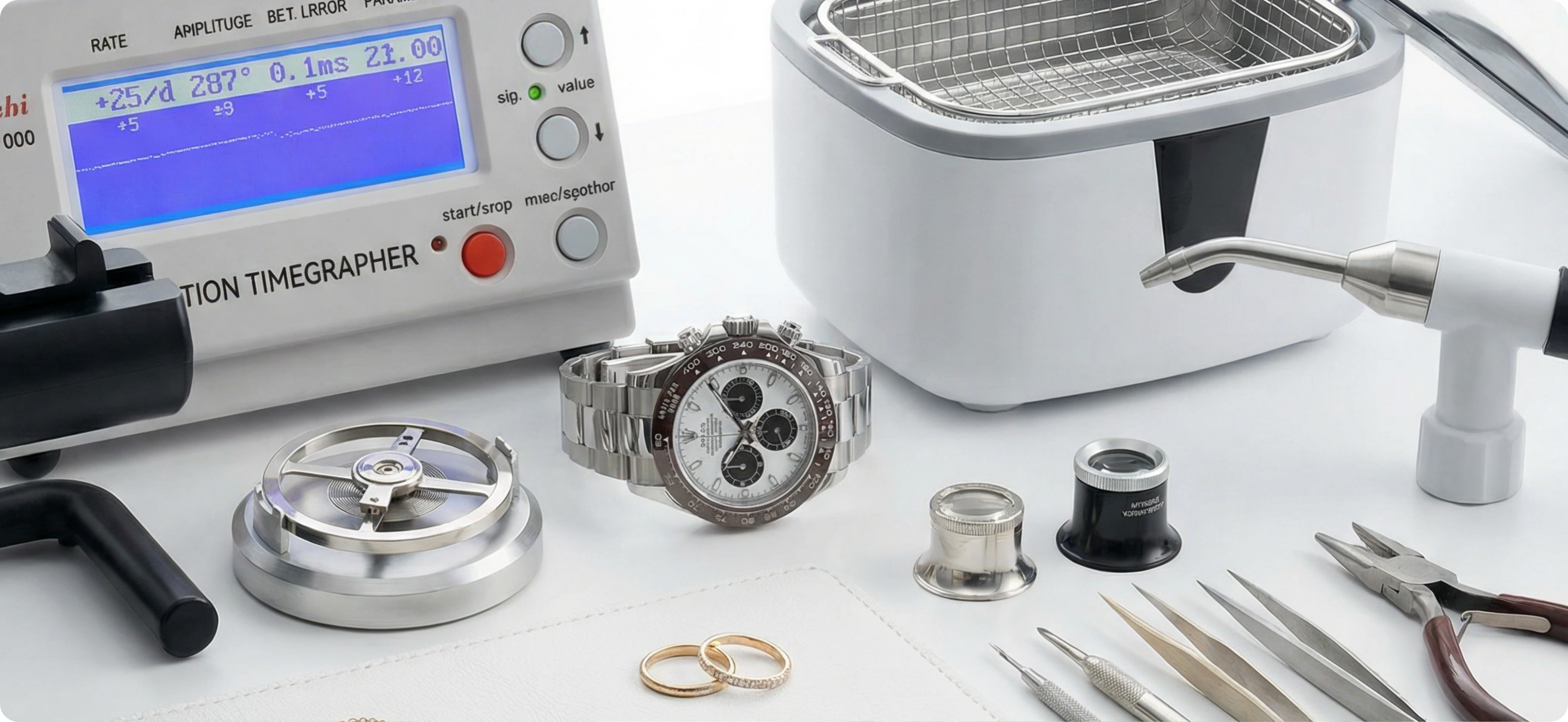
A good buying price can look less attractive after servicing, replacement parts and preparation. Before setting the selling price, check what has been agreed, what is likely to cost more and which jobs still need a quote. Keep estimates distinct from confirmed costs.
The should give the person preparing the listing enough information to work without guessing. Keep internal buying notes separate from the description the customer will read. If a detail is uncertain, resolve it before turning it into a selling point.
Before you put it on sale
- Check that the agreed preparation is finished, rather than merely booked.
- Match the description and photographs to the actual piece and accessories.
- Confirm the selling price and where the item is available.
Ask a colleague who did not buy the item to check the listing. Their questions are useful: if they cannot tell what is included, a customer may have the same difficulty. Fixing it now is easier than explaining a missing detail after a sale.